
COMPANION PLANTING GUIDE
Photo 12/5/25. Outdoors 36F, Indoors 68F.
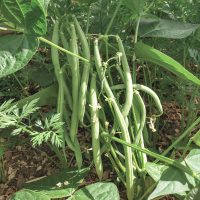
“Companion planting” is pretty common for gardeners throughout the world. It’s the concept of pairing plants in our gardens that complement one another, OR separating plants that are NOT good garden companions.
Why bother with companion planning? Some plants are said to improve the flavor of another when planted in close proximity. We might want to plant something nearby that will repel certain pests away from a desired plant. We might want to plant an unnecessary “trap” plant a bit of a distance away from a desirable plant to lure bugs away from it. Or we might want to plant something that adds nutrients to the soil which are then taken in by a neighboring plant.
There are a lot of books, websites & lists available that indicate plants which are complementary to each other. When I’m planning my garden I’m constantly looking for this kind of information online, all over the place, searching for this and that. It can be a chore. Often there are simple lists that merely indicate a list of “friends & foes”, with no indication as to why some plants are good together and others are not. Those lists are somewhat helpful, but I find that knowing the reasons for companion planting helps me make better decisions.
Several years ago I found an excellent list online which not only listed the friends & foes to a large variety of plants, but in many cases gives the reasons and other planting tips. This website* is no longer active, but I had downloaded the list for personal use. I’m taking the liberty of adding that list here, with a few editing changes and additions I’ve included from other research.
Use this list to determine what plants you might locate near your favored plants. While it’s generally best to use plants that are native to your area, high-elevation vegetable gardens are already chock-full of non-native plants, so it may well serve to experiment some of these non-native companions. I will admit I have not tried growing all the plants on this list and cannot verify whether or not they will grow in high-elevation gardens.
HINT:
It’s worth reviewing this entire list each year when planning your garden!
You may discover a new way to help your vegetables grow and deter pests.
This is a long list! Use the alphabet selection above to navigate this list, or use CTRL-F with your browser to search for every mention of a specific plant on this page.
alyssum, sweet
Direct seed or set out starts of sweet alyssum near plants that have been attacked by aphids in the past. Alyssum flowers attract hoverflies whose larva devour aphids. Another plus is their blooms draw bees to pollinate early blooming fruit trees. They will reseed freely and make a beautiful groundcover every year.
ASPARAGUS
Friends: Aster family flowers, dill, coriander, carrots, tomatoes, parsley, basil, comfrey and marigolds. Avoid: Onions, garlic, and potatoes.
BASIL
Plant with tomatoes to improve growth and flavor. Basil also does well with peppers, oregano, asparagus, and petunias. Basil can be helpful in repelling thrips. It is said to repel flies and mosquitoes. Do not plant near rue or sage.
BAY LEAF
A fresh bay leaf in each storage container of beans or grains will deter weevils and moths. Sprinkle dried leaves with other deterrent herbs in garden as natural insecticide dust. A good combo: Bay leaves, cayenne pepper, tansy, and peppermint. • For ladybug invasions try spreading bay leaves around in your house anywhere they are getting in and congregating. They should leave.

BEANS
All beans enrich the soil with nitrogen fixed form the air, improving the conditions for whatever crop you plant after the beans are finished. In general, they are good company for carrots, celery, chards, corn, eggplant, peas, potatoes, brassicas, beets, radish, strawberry, cucumbers and sunchokes. Beans are great for heavy nitrogen users like corn and grain plants because the nitrogen used up by the corn and grains are replaced at the end of the season when the bean plants die back. French Haricot beans, sweet corn and melons are a good combo. Summer savory deters bean beetles and improves growth and flavor. Keep beans away from the alliums.
Growing tip: Do not allow beans to mature on the plant, or it will stop producing, and do not pick beans or cultivate when they are wet, or it will spread viral diseases.
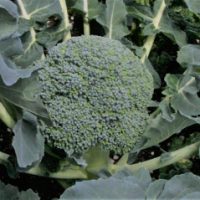
BEE BALM
(Oswego, Monarda): Plant with tomatoes to improve growth and flavor. Great for attracting beneficials and bees of course. Pretty perennial that tends to get powdery mildew.
BEET
Good for adding minerals to the soil. The leaves are composed of 25% magnesium making them a valuable addition to the compost pile if you don't care to eat them. Beets are also beneficial to beans, with the exception of runner beans. Runner or pole beans and beets stunt each other's growth.
Companions for beets are lettuce, onions, garlic and brassicas. Beets and kohlrabi grow perfectly together. Beets are helped by garlic and mints. Garlic improves growth and flavor.
Rather than planting invasive mints around beets use your mint clippings as a mulch.
BORAGE
Companion plant for tomatoes, squash, strawberries, and most plants. Deters tomato hornworms and cabbage worms. One of the best bee and wasp attracting plants. Adds trace minerals to the soil and a good addition the compost pile. The leaves contain vitamin C and are rich in calcium, potassium and mineral salts. Borage may benefit any plant it is growing next to via increasing resistance to pests and disease. It also makes a nice mulch for most plants. Borage and strawberries help each other, and strawberry farmers always set a few plants in their beds to enhance the fruits flavor and yield. Plant near tomatoes to improve growth and disease resistance. After you have planted this annual once it will self-seed. Borage flowers are edible. Borage grows very large--be sure to give it room to grow.

BROCCOLI
Companions: Basil, Bush Beans, Cucumber, Dill, Garlic, Hyssop, Lettuce, Marigold, Mint, Nasturtium, Onion, Potato, Radish, Rosemary, Sage, Thyme and Tomato. Celery, onions, and potatoes improve broccoli flavor when planted near it. Broccoli loves plenty of calcium. Pairing it with plants that need little calcium is a good combination such as nasturtiums and beets as this frees up the calcium in the soil for the broccoli. Put the nasturtiums right under the broccoli plants. Herbs such as rosemary, dill and sage help repel pests with their distinct aromas.
Foes: Grapes, strawberries, mustards, and rue.
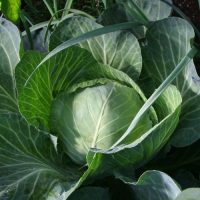
BUCKWHEAT
(Member of the family Polygonaceae) Accumulates calcium and can be grown as an excellent cover crop aka green manure. Buckwheat’s shallow white blossoms attract beneficial insects that control or parasitize aphids, mites, and other pests. The beneficials it attracts include the following: hover flies (Syrphidae), predatory wasps, minute pirate bugs, insidious flower bugs, tachinid flies and lady beetles. Flowering may start within three weeks of planting and continue for up to 10 weeks. Buckwheat will take up phosphorus and some minor nutrients that are otherwise unavailable to plants. These nutrients are released as the residue of the buckwheat breaks down and are then available for later crops. The fine roots make topsoil loose and friable with only minimal tillage.

CABBAGE
Celery, dill, onions, and potatoes are good companion plants. Celery improves growth and health. Clover interplanted with cabbage has been shown to reduce the native cabbage aphid and cabbageworm populations by interfering with the colonization of the pests and increasing the number of predatory ground beetles. Plant Chamomile with cabbage as it Improves growth and flavor.
Cabbage does not get along with strawberries, tomatoes, peppers, eggplants, rue, grapes, lettuce, and pole beans.
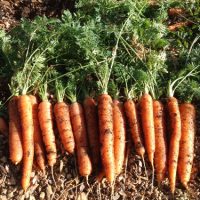
CALENDULA
Calendula officinalis. Attracts beneficial insects, repels harmful pests, and enhances the growth of nearby plants. The plant is said to kill soil nematodes. Repels cabbage worm moths, whiteflies, aphids. Edible flowers have anti-inflammatory properties, heals burns, cuts, bruises. Repels cabbage worm moths.
CARAWAY
Good for loosening compacted soil with its deep roots, so it's also compatible next to shallow rooted crops. Plant it with strawberries. Caraway can be tricky to establish. The flowers attract a number of beneficial insects especially the tiny parasitic wasps.
Keep it away from dill and fennel.

CARROTS
Their pals are leaf lettuce and tomatoes. Flax produces an oil that may protect root vegetables like carrots from some pests.
One drawback with tomatoes and carrots: tomato plants can stunt the growth of your carrots, but the carrots will still be of good flavor.
Keep carrots away from onions or garlic: in late summer the alliums need to cut back on water when carrots need more.
Plant dill and parsnips away from carrots.
CATNIP
Deters flea beetles, aphids, Japanese beetles, squash bugs, ants, and weevils. Fresh catnip steeped in water and sprinkled on plants will drive away flea beetles.
CAULIFLOWER
Friends: beans, beets, celery, cucumber, dill, onions, nasturtium, potatoes, rosemary, sage, spinach, sunflowers, swiss chard, thyme.
Foes: peas, strawberries, tomatoes
CELERY
Companions: Bean, cabbage family, leek, onion, spinach, and tomato. Repels cabbage worm moths. Flowers for celery: cosmos, daisies, and snapdragons.
Foes: Corn, Irish potato ,and aster flowers. Carrots can be infected with aster yellow disease from asters.
CHAMOMILE (GERMAN)
Annual. Improves flavor of cabbages, cucumbers, and onions. Host to hoverflies and wasps. Accumulates calcium, potassium, and sulfur, later returning them to the soil. Increases oil production from herbs. Leave some flowers unpicked and German chamomile will reseed itself. Roman chamomile is a low growing perennial that will tolerate almost any soil conditions. Both like full sun. Growing chamomile of any type is considered a tonic for anything you grow in the garden.

CHARDS
Companions: Bean, cabbage family, tomato, onion, and roses. Don't overlook chard's value as an ornamental plant in flower beds or wherever you have room for it.
Don't grow chard near cucurbits, melons, corn or herbs.
CHERVIL
Companion to radishes, lettuce and broccoli for improved growth and flavor. Keeps aphids off lettuce. Said to deter slugs. Likes shade.
chives
Improves growth and flavor of carrots and tomatoes. A friend to apples, carrots, tomatoes, brassica (broccoli, cabbage, mustard, etc.) and many others. Help to keep aphids away from tomatoes, mums, and sunflowers. Chives may drive away Japanese beetles and carrot rust fly. A tea of chives may be used on cucumbers and gooseberries to prevent downy and powdery mildews.
Avoid planting near beans and peas.
clover
Long used as a green manure and plant companion and is especially good to plant under grapevines. Attracts many beneficials. Useful planted around apple trees to attract predators of the woolly aphid. Clover interplanted with cabbage has been shown to reduce the native cabbage aphid and cabbageworm populations by interfering with the colonization of the pests and increasing the number of predator ground beetles.
collard greens
You can plant them with: Basil, Bean, Cucumber, Dill, Garlic, Hyssop, Lettuce, Marigold, Mint, Nasturtium, Onion, Potato, Radish, Rosemary, Sage, and Thyme.
Keep them away from Grapes, Rue and Tansy.

comfrey
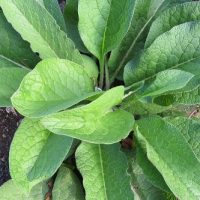
This is one amazing plant. Accumulates calcium, phosphorous and potassium. Likes wet spots to grow in. Comfrey is beneficial to avocado and most other fruit trees. Protect potatoes from scab by putting comfrey leaves in with your potato sets at planting time. Traditional medicinal plant. Good trap crop for slugs. Excellent compost activator, foliage spray, nutrient miner. Comfrey is truly essential to all gardens.
coriander (cilantro, chinese parsley)
The leaves of this plant are Cilantro. When left to flower and go to seed the dried tan seeds are Coriander, a familiar spice. It is a member of the carrot family. Repels harmful insects such as aphids, spider mites and potato beetle. A tea from this can be used as a spray for spider mites. Partners for coriander are for anise, caraway, potatoes, and dill.
corn
Amaranth, beans, cucumber, white geranium, lamb's quarters, melons, morning glory, parsley, peanuts, peas, potato, pumpkin, soybeans, squash, and sunflower. A classic example is to grow climbing beans up corn while inter-planting pumpkins. The corn provides a natural trellis for the beans, pumpkins smother the weeds and helps corn roots retain moisture. Corn is a heavy feeder, and the beans fix nitrogen from air into the soil; however, the beans do not feed the corn while it is growing. When the bean plants die back, they return nitrogen to the soil that was used up by the corn. A win-win situation. Another interesting helper for corn is the weed Pig's Thistle which raises nutrients from the subsoil to where the corn can reach them. Keep corn away from celery and tomato plants by at least 20 feet.
cucumbers
Cucumbers are great to plant with corn and beans. The three plants like the same conditions: warmth, rich soil, and plenty of moisture. Let the cucumbers grow up and over your corn plants or sunchokes. Cukes also do well with peas, beets, radishes, and carrots. Calendula and radishes deter cucumber beetles. Dill planted with cucumbers helps by attracting beneficial predators. Nasturtium improves growth and flavor.
Keep sage, potatoes, and rue away from cucumbers. It is said that cucumbers don't do well planted next to tomatoes.
cumin
Good companions for cumin include cucumbers, potatoes, and cabbages, which are known to support its development. These plants share similar growing conditions, such as a preference for full sun and well-drained soil. Cumin also attracts beneficial insects like ladybugs, lacewings, hoverflies, and predatory wasps, which help control garden pests such as aphids and caterpillars, making it a valuable addition to a pest management strategy.
Cumin should not be planted near legumes like peas and beans, as it can inhibit their growth. Cumin should be kept away from other herbs and plants that are known to have conflicting growth requirements or negative interactions, such as fennel, which is best grown alone due to its potential to inhibit other plants.
dill
Improves growth and health of cabbage. Best friend for lettuce. The flower heads of dill are one of the best nectar sources for beneficial insects in the garden attracting hoverflies, predatory wasps and many more. Repels aphids and spider mites to some degree. Dill also may repel the dreaded squash bug! (Scatter some good size dill leaves on plants that are subject to squash bugs, like squash plants.) Dill goes well with lettuce, onions, cabbage, sweet corn, and cucumbers. Plant dill in an appropriate spot for the swallowtail butterfly caterpillars to feed on. Even their caterpillars are beautiful.
Do not plant near carrots, caraway, lavender, or tomatoes. Dill does attract the tomato horn worm so it would be wise to plant it somewhere away from your tomato plants.
fennel
Fennel is not friendly and is allelopathic to most garden plants, inhibiting growth or causing them to bolt. It actually kills many plants. Dill is the only thing you can plant with fennel. Other than that, plant it by itself. On a positive note the foliage and flowers attract beneficials such as ladybugs, syrphid flies, tachninid flies, beneficial parasitoid wasps and hoverflies Fennel is a good flea repellent. An old saying says to "plant fennel near your kennel" to deter fleas. Dried fennel leaves provide additional flea repelling insurance when put inside the doghouse or kennel.
flax
Plant with carrots, and potatoes. Flax contains tannin and linseed oils which may offend the Colorado potato bug. Flax is an annual from 1-4 feet tall with blue or white flowers that readily self-sows.

garlic
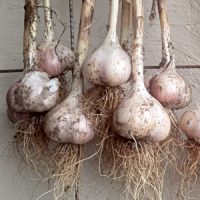
Plant near roses to repel aphids. It also benefits apple trees, pear trees, cucumbers, peas, lettuce, and celery. Plant under peach trees to help repel borers. Garlic accumulates sulfur: a naturally occurring fungicide which will help in the garden with disease prevention. Garlic is systemic in action as it is taken up by the plants through their pores and when garlic tea is used as a soil drench it is also taken up by the plant roots. It has value in offending codling moths, Japanese beetles, root maggots, snails, and carrot root fly. Researchers have observed that time-released garlic capsules planted at the bases of fruit trees actually kept deer away. It's certainly worth a try! Concentrated garlic sprays have been observed to repel and kill whiteflies, aphids, and fungus gnats among others with as little as a 6-8% concentration!
hibiscus
In addition to attracting pollinators like bees & hummingbirds, hibiscus is said to be highly attractive to whiteflies. Plant these outside of the garden to pull the whiteflies away from the garden, then kill the whiteflies & nymphs to keep the numbers down. Hibiscus, particularly Rose Mallow, may be deer-resistant.
horseradish
Plant in containers in the potato patch to keep away Colorado potato bugs. Horseradish increases the disease resistance of potatoes. There are some very effective insect sprays that can be made with the root. Use the bottomless pot method to keep horseradish contained. Also repels Blister beetles. We have observed that the root can yield anti-fungal properties when a tea is made from it.
horehound
(Marrubium Vulgare) Like many varieties in the mint family, the many tiny flowers attract Braconid and Icheumonid wasps, and Tachnid and Syrid flies. The larval forms of these insects parasitize or otherwise consume many other insect pests. It grows where many others fail to thrive and can survive harsh winters. Blooms over a long season, attracting beneficial insects almost as long as you are likely to need them. For best results use horehound directly as a companion plant. Stimulates and aids fruiting in tomatoes and peppers.
hyssop
Companion plant to cabbage and grapes, deters cabbage moths and flea beetles. Hyssop may be the number one preference among bees and some beekeepers rub the hive with it to encourage the bees to keep to their home. It is not as invasive as other members of the mint family making it safer for interplanting.
Do not plant near radishes.
kelp
When used in a powder mixture or tea as a spray, this versatile sea herb will not only repel insects but feed the vegetables. In particular, we have observed that kelp foliar sprays keep aphids and Japanese beetles away when used as a spray every 8 days before and during infestation times. If you have access to seaweed, use it as a mulch to keep slugs away.

kohlrabi
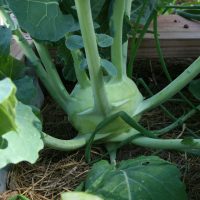
May be planted with cucumber, mint, onion, oregano, sage, chives and thyme.. Kohlrabi and beets are perfect to grow with one another!
Do not plant kohlrabi with pole beans, pepper, strawberry, or tomatoes.

larkspur
An annual member of the Delphinium family, larkspur will attract Japanese beetles. They dine and die! (Be careful with this one: Larkspur is poisonous to humans too.)
lavender
Repels fleas and moths. Prolific flowering lavender nourishes many nectar-feeding and beneficial insects. Lavenders can protect nearby plants from insects such as whitefly, and lavender planted under and near fruit trees can deter codling moth. Use dried sprigs of lavender to repel moths. Start plants in winter from cuttings, setting out in spring.
leeks
Use leeks near apple trees, carrots, celery, and onions which will improve their growth. Leeks also repel carrot flies.
Avoid planting near legumes.
lemon balm
Sprinkle throughout the garden in an herbal powder mixture to deter many bugs. Lemon balm has citronella compounds that make this work: crush and rub the leaves on your skin to keep mosquitoes away! Use to ward off squash bugs!
lettuce
Does well with beets, broccoli, bush beans, pole beans, carrots, cucumbers, onion, radish, and strawberries. It grows happily in the shade under young sunflowers. Dill and lettuce are a perfect pair.
Keep lettuce away from cabbage. Cabbage is a deterrent to the growth and flavor of lettuce.
lovage
Improves flavor and health of most plants. Good habitat for ground beetles. Lovage is a large plant, use one planted as a backdrop. Similar to celery in flavor.

marigolds
Given a lot of credit as a pest deterrent. Keeps soil free of bad nematodes; supposed to discourage many insects. Plant freely throughout the garden. The marigolds you choose must be a scented variety for them to work. One downside is that marigolds do attract spider mites and slugs.
• French Marigold (T. patula) has roots that exude a substance which spreads in their immediate vicinity killing nematodes. For nematode control you want to plant dense areas of them. There have been some studies done that proved this nematode killing effect lasted for several years after the plants died back. These marigolds also help to deter whiteflies when planted around tomatoes and can be used in greenhouses for the same purpose. Whiteflies hate the smell of marigolds. Do not plant French marigolds next to bean plants.
• Mexican Marigold (T. minuta) is the most powerful of the insect repelling marigolds and may also overwhelm weed roots such as bind weed! It is said to repel the Mexican bean beetle and wild bunnies! Be careful it can have an herbicidal effect on some plants like beans and cabbage. May also be called “Huacatay.”
marjoram
As a companion plant it improves the flavor of vegetables and herbs. Sweet marjoram is the type commonly grown.
melons
Companions: Corn, pumpkin, radish, and squash. Other suggested helpers for melons are as follows: Marigold deters beetles, nasturtium deters bugs and beetles. Oregano provides general pest protection.
mint
Deters white cabbage moths, ants, rodents, flea beetles, fleas, aphids and improves the health of cabbage and tomatoes. Use cuttings as a mulch around members of the brassica family. Mint flowers attract hoverflies and predatory wasps. Earthworms are quite attracted to mint plantings. Placing peppermint cuttings (fresh or dried) where mice are a problem is very effective in driving them off!
Be careful where you plant it as mint is an incredibly invasive perennial.
morning glories
They attract hoverflies. Plus, if you want a fast-growing annual vine to cover something up, morning glory is an excellent choice.
nasturtiums
Nasturtium is an excellent companion for many plants. It is a companion to radishes, cabbage family plants (cabbage, collards, cauliflower, kale, kohlrabi, broccoli, mustards), deterring aphids, squash bugs, and striped pumpkin beetles, and improving growth and flavor. Plant as a barrier around tomatoes, cabbage, cucumbers, and under fruit trees. Deters wooly aphids, whiteflies, cucumber beetles and other pests of the cucurbit family. Great trap crop for aphids (in particular, the black aphids) which it does attract, especially the yellow flowering varieties. It likes poor soil with low moisture and no fertilizer. Keeping that in mind, there is no reason not to set potted nasturtiums among your garden beds. It has been the practice of some fruit growers that planting nasturtiums every year in the root zone of fruit trees allow the trees to take up the pungent odor of the plants and repel bugs. Studies say it is among the best at attracting predatory insects. It has no taste effect on the fruit. A nice variety to grow is Alaska which has attractive green and white variegated leaves. The leaves, flowers and seeds of nasturtiums are all edible and wonderful in salads!
nettles, stinging
The flowers attract bees. Sprays made from these are rich in silica and calcium. Invigorating for plants and improves their disease resistance. Leaving the mixture to rot, it then makes an excellent liquid feed. Comfrey improves the liquid feed even more. Hairs on the nettles' leaves contain formic acid which "stings" you.

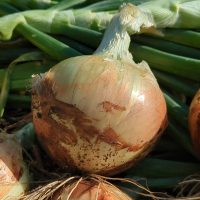
onions
Planting chamomile and summer savory with onions improves their flavor. Other companions are carrot, leek, beets, kohlrabi, strawberries, brassicas, dill, lettuce, and tomatoes. Intercropping onions and leeks with your carrots confuses the carrot and onion flies! Onions planted with strawberries help the berries fight disease.
Keep onions away from peas and asparagus.
oregano
Can be used with most crops but especially good for cabbage. Plant near broccoli, cabbage, and cauliflower to repel cabbage butterfly and near cucumbers to repel cucumber beetle. Also benefits grapes.
parsley
Allies: Asparagus, carrot, chives, onions, roses, and tomato. Sprinkle the leaves on tomatoes, and asparagus. Use as a tea to ward off asparagus beetles. Attracts hoverflies. Let some go to seed to attract the tiny parasitic wasps and hoverflies. Parsley increases the fragrance of roses when planted around their base.
Mint and parsley are enemies. Keep them well away from one another.
parsnips
Plant them along with bush bean, garlic, marigolds, onion, pea, pepper, potato, and radish. Parsnips like frequent, regular watering, so do not plant them with anything that prefers a drier soil. Like many root vegetables, parsnips taste their best when harvested after a few light frosts which causes them to convert their starch into sugars.
peas
Peas fix nitrogen in the soil. Plant next to corn. Companions for peas are bush beans, pole beans, carrots, celery, chicory, corn, cucumber, eggplant, parsley, early potato, radish, spinach, strawberry, sweet pepper, tomatoes, and turnips.
Do not plant peas with chives, gladiolus, grapes, late potatoes, or onions.
peppermint
Repels white cabbage moths, aphids, and flea beetles. It is the menthol content in mints that acts as an insect repellant. Bees and other good guys love it.
peppers, sweet
Plant peppers near tomatoes, parsley, basil, geraniums, marjoram, lovage, petunia and carrots. Onions make an excellent companion plant for peppers. They do quite well with okra as it shelters them and protects the brittle stems from wind. Peppers can double as ornamentals, so tuck some into flowerbeds and borders. Harvesting tip: The traditional bell pepper, for example, is harvested green, even though most varieties will mature red, orange, or yellow. Peppers can be harvested at any stage of growth, but their flavor doesn't fully develop until maturity.
Don't plant them near fennel or kohlrabi. They should also not be grown near apricot trees because a fungus that the pepper is prone to cause a lot of harm to the apricot tree.
peppers, hot
Chili peppers have root exudates that prevent root rot and other Fusarium diseases. Plant anywhere you have these problems. While you should always plant chili peppers close together, providing shelter from the sun with other plants will help keep them from drying out and provide more humidity. Tomato plants, green peppers, and okra are good protection for them. Teas made from hot peppers can be useful as insect sprays. Hot peppers like to be grouped with cucumbers, eggplant, escarole, tomato, okra, Swiss chard, and squash. Herbs to plant near them include: basils, oregano, parsley and rosemary.
Never put them next to any beans, broccoli, cabbage, cauliflower, Brussels sprouts, or fennel.
petunias
They repel the asparagus beetle, leafhoppers, certain aphids, tomato worms, Mexican bean beetles and general garden pests. A good companion to tomatoes, but plant everywhere. The leaves can be used in a tea to make a potent bug spray.
poached egg plant
Grow poached egg plant with tomatoes, they will attract hover flies and hover flies eat aphids.

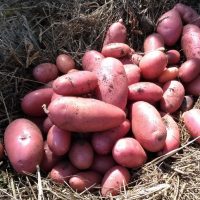
potato
Companions for potatoes are bush bean, members of the cabbage family, carrot, celery, corn, dead nettle, flax, horseradish, marigold, peas, petunia, onion and Tagetes marigold. Protect them from scab by putting comfrey leaves in with your potato sets at planting time. Horseradish, planted at the corners of the potato patch, provides general protection. Alyssum makes a perfect living mulch for them.
Foes: don't plant these around potatoes: asparagus, cucumber, kohlrabi, pumpkin, rutabaga, squash family, sunflower, turnip and fennel. Keep potatoes and tomatoes apart as they both can get early and late blight contaminating each other.
pumpkins
Pumpkin pals are corn, melon, and squash. Marigold deters beetles. Nasturtium deters bugs, beetles. Oregano provides general pest protection. Dill may help repel those frustrating squash bugs. See squash entry for more tips.
purslane
This edible weed makes good ground cover in the corn patch. Use the stems, leaves and seeds in stir-fries. Pickle the green seed pod for caper substitutes. If purslane is growing in your garden it means you have healthy, fertile soil!
radish
One of the workhorses for the garden. Companions for radishes are: beet, bush beans, pole beans, carrots, chervil, cucumber, lettuce, melons, nasturtium, parsnip, peas, spinach and members of the squash family. Why plant radishes with your squash plants? Radishes may protect them from squash borers. Anything that will help keep them away is worth a try. Radishes are a deterrent against cucumber beetles and rust flies. Chervil and nasturtium improve radish growth and flavor. Planting them around corn and letting them go to seed will also help fight corn borers. Chinese Daikon and Snow Belle radishes are favorites of flea beetles. Plant these at 6-12 inch intervals amongst broccoli. In one trial, this measurably reduced damage to broccoli. Radishes will lure leafminers away from spinach. The damage the leafminers do to radish leaves does not stop the radish roots from growing, a win-win situation. Radishes are a good indicator of calcium levels in the soil. If your radish grows and only produces a stringy root you need calcium.
Keep radishes away from: hyssop plants, cabbage, cauliflower, Brussels sprouts, and turnips.
rhubarb
A good companion to all brassicas. Try planting cabbage and broccoli plants in your rhubarb patch and watch them thrive. Rhubarb protects beans against black fly. Some other interesting companions for rhubarb are the beautiful columbine flowers, garlic, onion, roses and sunchokes! It helps deter red spider mites from the columbines. A spray made from boiled rhubarb leaves, which contain the poison oxalic acid may be used to prevent blackspot on roses and as an aphicide.
rosemary
Companion plant to cabbage, beans, carrots, and sage. Deters cabbage moths, bean beetles, and carrot flies. Use cuttings to place by the crowns of carrots for carrot flies. Zones 6 and colder can overwinter rosemary as houseplants or take cuttings.
rue
Deters aphids, fish moths, flea beetle, onion maggot, slugs, snails, flies and Japanese beetles in roses and raspberries. Companions for rue are roses, fruits (in particular, figs), raspberries and lavender. To make it even more effective with Japanese beetles: crush a few leaves to release the smell. Has helped repel cats for some folks.A pretty perennial with bluish-gray leaves. May be grown indoors in a sunny window.
You should not plant rue near cucumbers, cabbage, basil, or sage. Rue may cause skin irritation in some individuals.
rutabaga
Companions for rutabagas are: peas, beans, chives.
rye
An excellent use of plant allelopathy is the use of mow-killed grain rye as a mulch. The allelochemicals that leach from the rye residue prevent weed germination but do not harm transplanted tomatoes, broccoli, or many other vegetables.
sage
Use as a companion plant with broccoli, cauliflower, rosemary, cabbage, and carrots to deter cabbage moths, beetles, black flea beetles and carrot flies. Sage repels cabbage moths and black flea beetles. Allowing sage to flower will also attract many beneficial insects and the flowers are pretty. There are some very striking varieties of sage with variegated foliage that can be used for their ornamental as well as practical qualities.
Do not plant near cucumbers, onions, or rue.
spinach
Plant with peas and beans as they provide natural shade for the spinach. Gets along with cabbage, cauliflower, celery, eggplant, onion, peas, strawberries, and fava bean. Plant spinach with squash: it's a good use of space because by the time squash plants start to get big the spinach is ready to bolt.
sorrel
Best companions are garlic, chives, nasturtium, strawberries, calendula, cabbage, kale & broccoli. When planting near larger plants, such as brassicas, be sure to leave plenty of room for the sorrel.
Avoid: Fennel, carrots, potatoes and tomatoes.
soybeans
They add nitrogen to the soil making them a good companion to corn. They repel chinch bugs and Japanese beetles. Why not try soybeans, they are good for you. There are many tasty ways to prepare them.
squash: summer or winter
Companions: Beans, corn, cucumbers, icicle radishes, melon, mint, onions, and pumpkin. Helpers: Borage deters worms, improves growth and flavor. Marigolds deter beetle. Nasturtiums deter squash bugs and beetles. Oregano provides general pest protection. Dill may repel the squash bug that will kill your squash vines. Generously scatter the dill leaves on your squash plants.
Keep squash away from potatoes.
strawberry
Friends are beans, borage, lettuce, onions, spinach, and thyme. Foes: Cabbage, broccoli, Brussels sprouts, cauliflower, and kohlrabi. Allies: Borage strengthens resistance to insects and disease. Thyme, as a border, deters worms.
summer savory
Plant with beans and onions to improve growth and flavor. Include it with sweet potatoes. Discourages cabbage moths, Mexican bean beetles, sweet potato weevil and black aphids. Honeybees love it when it is in bloom.

sunchokes (jerusalem artichokes)
Companions: cucumbers (climb the stalks), pole beans (add nitrogen to soil), rhubarb, bush beans, borage, chicory.
sunflowers
Planting sunflowers with corn is said by some to increase the yield. Aphids a problem? Definitely plant a few sunflowers here and there in the garden. Step back and watch the ants herd the aphids onto them. We have been doing this for years and it is remarkable. The sunflowers are so tough that the aphids cause very little damage, and you will have nice seed heads for the birds to enjoy. Sunflowers also attract hummingbirds which eat whiteflies. Talk about a symbiotic relationship!
tarragon
Plant throughout the garden, not many pests like this one. Recommended to enhance growth and flavor of vegetables.
thyme
Deters cabbage worms. Wooly thyme makes a wonderful groundcover. You may want to use the upright form of thyme in the garden rather than the groundcover types. Thyme is easy to grow from seeds or cuttings. Older woody plants should be divided in spring.
tomatoes
Tomato allies are many: asparagus, basil, bean, carrots, celery, chive, cucumber, garlic, head lettuce, marigold, mint, nasturtium, onion, parsley, pea, pepper, marigold, pot marigold and sow thistle. One drawback with tomatoes and carrots: tomato plants can stunt the growth of your carrots ,but the carrots will still be of good flavor. Basil repels flies and mosquitoes, improves growth and flavor. Calendula repels whiteflies & aphids. Bee balm, chives and mint improve health and flavor. Borage deters tomato worm, improves growth and flavor. Dill, until mature, improves growth and health, mature dill retards tomato growth.
Enemies: corn and tomato are attacked by the same worm. Kohlrabi stunts tomato growth. Keep potatoes and tomatoes apart as they both can get early and late blight contaminating each other. Keep apricot, dill, fennel, cabbage, and cauliflower away from them. Don't plant them under walnut or cottonwood trees as they will get walnut wilt: a disease that attacks tomatoes growing underneath these trees.
turnip
Peas are good companions for turnips due to their nitrogen fixing in the soil. Cabbage does well with turnips because of the turnip's tendency to repel certain pests.
Do not plant potatoes, radishes, or other root vegetables near your turnips. These vegetables will compete for nutrients with the turnips and reduce crop size and yield. Other plants that do not do well with turnips are delphinium, larkspur, and mustard.
watermelon
May be planted in between hills of corn. Grow them with corn, nasturtiums, peas, sunflowers, squash, cucumbers, pumpkins, and radishes. Nasturtium helps to deter bugs and beetles. Oregano provides general pest protection.
yarrow
Yarrow has insect repelling qualities and is an excellent natural fertilizer. A handful of yarrow leaves added to the compost pile really speeds things up. Try it! It also attracts predatory wasps and ladybugs to name just two. It may increase the essential oil content of herbs when planted among them.
zinnia
Pretty zinnias attract hummingbirds which eat whiteflies. Alternately the pastel varieties of zinnias can be used as a trap crop for Japanese beetles. All zinnias attract bees and other insect pollinators.
*The currently inactive website I’ve referred to as the source of this list was, “Golden Harvest Organics.”